
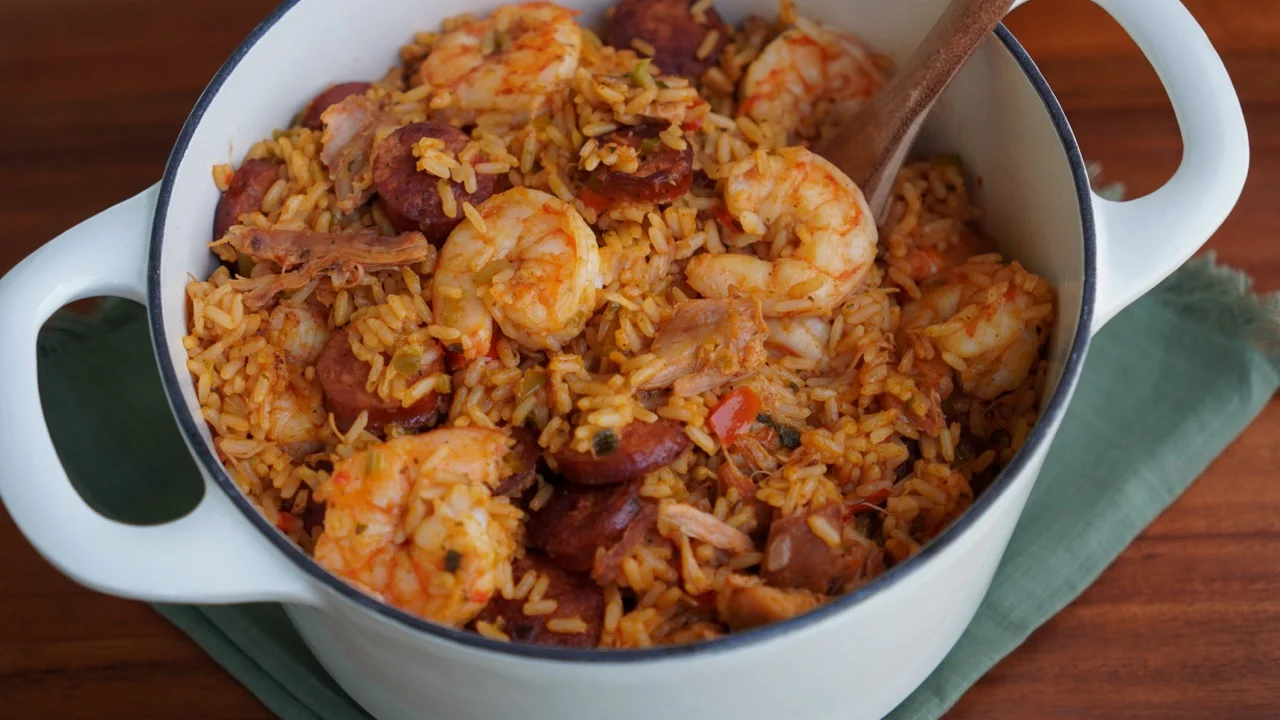
A taste of home. If you know, you know, but if you’re new here, you may not know. For those who are new, we’re from New Orleans, Louisiana, but we recently moved away. New Orleans has a rich food culture that’s often imitated but seldomly duplicated. So, what do you do when you’re missing a piece of home? You get “a taste of home.” Whenever we think about home, we often think about Jambalaya. Jambalaya is a staple in Louisiana. Whether it’s Mardi Gras, a tailgate, or a party, Jambalaya is the go-to crowd-pleaser. Fun fact: there are two styles of Jambalaya: Cajun and Creole. Cajun jambalaya is brown in color and does not contain any tomatoes. It also does not typically contain shrimp. Creole Jambalaya, which we usually make in New Orleans, is red in color, contains a tomato base, and often contains shrimp. With that being said, being from New Orleans, you know we had to make Creole Jambalaya. Our Creole Jambalaya will give you a taste of what we call home.
20 minutes
50 minutes
1 hour 10 minutes
Prep
Season the Chicken and Shrimp
Sear the Chicken
Brown the Andouille
Build the Flavor
Toast the Rice
Add the Liquid
Cook the Shrimp
Finish and Serve
• Chicken thigh options. Boneless, skinless chicken thighs or bone-in chicken thighs both work. If using bone-in thighs, remove the skin before seasoning, then remove the bones before shredding.
• Accent/MSG. Accent boosts the savory flavor and helps bring out the other seasonings. If you prefer not to use MSG, leave it out and season to your taste.
• Don’t rush the rice. Keep the jambalaya at a gentle simmer and avoid constantly stirring or lifting the lid while the rice cooks.
• Cook the shrimp separately. This gives you more control over the cooking time and helps keep the shrimp juicy and tender.
• Alternate Cooking Method for the Shrimp. Add the shrimp during the last 5 minutes instead of cooking them separately. Once the rice is nearly tender and most of the liquid has been absorbed, place the shrimp on top, cover, and cook until pink and opaque. Avoid stirring until the jambalaya has finished cooking to help keep the rice from becoming mushy.
• Let it rest. Let the jambalaya rest for a few minutes before serving so the rice can settle and absorb any remaining moisture.
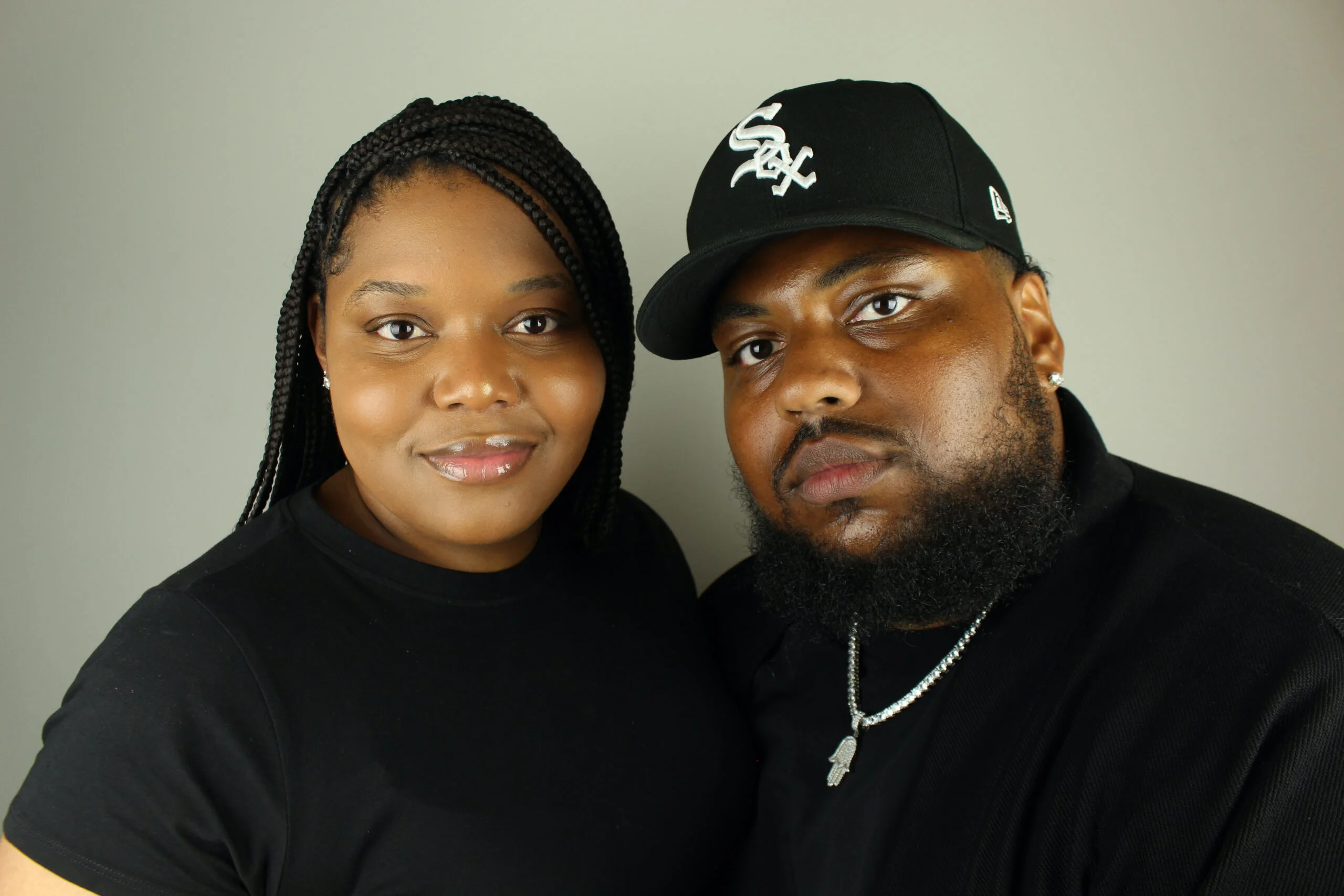
Welcome to MF Cookin! We’re self-taught home chefs, born and raised in New Orleans, LA, with a passion for cooking. Here, we share easy-to-follow, MF’in good recipes that inspire everyday cooks to experiment, create, and most importantly, enjoy the process of cooking.
If you be cookin’ too, join the family.